
It’s the middle of a sweltering summer afternoon, and suddenly your air conditioner gives up. Instead of the cool air you count on, you’re left with heat, frustration, and the question: “Can I fix this myself, or is it time to call in a professional?”
At Chilko AIR, we understand how stressful an AC breakdown can be. With years of hands-on experience, we’ve seen everything from quick DIY-friendly fixes like clogged filters to major issues that demand expert attention. In this guide, we’ll walk you through the most common air conditioning problems, simple solutions you can try yourself, and the situations where professional help is the smartest choice.
Common Air Conditioning Problems
When your AC isn’t cooling properly, the cause often falls into one of a few categories. Identifying these issues early can save you time, money, and discomfort.
1. Air Conditioner Not Blowing Cold Air
-
Symptoms: Warm or lukewarm air despite a cool thermostat setting.
-
Causes: Dirty filter, low refrigerant, thermostat faults, or blocked vents.
2. Air Conditioner Won’t Turn On
-
Symptoms: The unit won’t start at all.
-
Causes: Tripped breaker, faulty thermostat, blown fuse, or loose wiring.
3. Poor Airflow
-
Symptoms: Minimal airflow from vents.
-
Causes: Clogged filters, duct blockages, failing blower motor, or frozen coils.
4. Strange Noises Coming from the Air Conditioner Unit
-
Symptoms: Grinding, squealing, or banging from the unit.
-
Causes: Loose components, motor issues, debris, or worn belts.
5. Water Leaks Around the Unit
-
Symptoms: Pooling water around the unit or dripping inside.
-
Causes: Blocked condensate line, frozen coils, low refrigerant, or damaged drain pan.
6. Unpleasant Odors from Vents
-
Symptoms: Musty or burning smells from vents.
-
Causes: Mold or mildew in ducts, dust build-up, or electrical issues.
These are some of the most common air conditioning issues that can disrupt your comfort. The good news is that many of these problems have straightforward solutions that you can handle yourself. In the next section, we’ll walk you through some DIY fixes to help you get your AC back up and running.
DIY Solutions for Simple Fixes
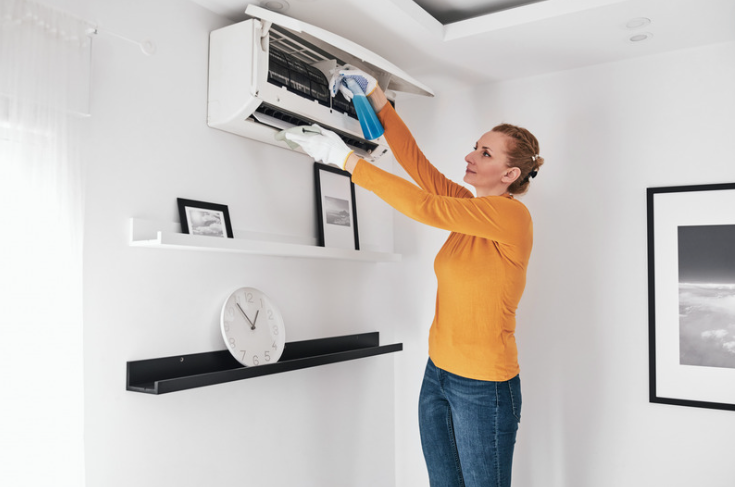
Before you reach for the phone to call a professional, there are a few things you can try on your own to fix common air conditioning problems. These DIY solutions are straightforward and can often get your system back to normal without the need for expensive repairs.
1. Air Conditioner Not Blowing Cold Air
- Check and Replace the Air Filter:
- What to Do: Turn off your AC unit and locate the air filter. It’s usually found behind the return air grille or inside the blower compartment. If the filter looks dirty or clogged, replace it with a new one.
- Why It Works: A dirty filter restricts airflow and can cause your AC to freeze up, leading to warm air blowing from the vents.
- Inspect and Clear the Vents:
- What to Do: Walk around your home and check all the vents to ensure they’re open and unobstructed by furniture or curtains. Clear any debris or dust buildup.
- Why It Works: Blocked vents can prevent cool air from circulating properly, making your home feel warmer.
- Check the Thermostat Settings:
- What to Do: Make sure your thermostat is set to “cool” and that the temperature is set lower than the current room temperature. If your thermostat runs on batteries, try replacing them.
- Why It Works: Incorrect thermostat settings or low batteries can prevent your AC from cooling effectively.
2. Air Conditioner Won’t Turn On
- Reset the Circuit Breaker:
- What to Do: Locate your home’s electrical panel and check if the circuit breaker for the AC unit has tripped. If it has, reset it by flipping the switch off and then back on.
- Why It Works: A tripped circuit breaker cuts power to the AC unit, preventing it from turning on.
- Check the Thermostat:
- What to Do: Verify that your thermostat is working by adjusting the temperature. If nothing happens, it might be faulty. Consider replacing the thermostat or testing it with new batteries.
- Why It Works: A malfunctioning thermostat can prevent your AC from receiving the signal to turn on.
3. Poor Airflow
- Replace or Clean the Air Filter:
- What to Do: As mentioned earlier, a dirty air filter can severely restrict airflow. Replace or clean the filter to improve airflow.
- Why It Works: This is one of the simplest and most effective ways to ensure your AC is delivering optimal airflow.
- Check for Blocked Ducts:
- What to Do: Inspect accessible sections of your ductwork for obstructions or damage. If you notice any blockages, try to clear them, or contact a professional if the blockage is deep within the ducts.
- Why It Works: Blocked ducts can reduce airflow and make your system work harder, leading to poor performance.
4. Strange Noises Coming from the Air Conditioner Unit
- Tighten Loose Components:
- What to Do: Turn off the power to your AC unit and remove the access panel. Check for any loose screws, bolts, or panels and tighten them.
- Why It Works: Loose parts can cause vibrations and noise during operation. Securing them can often eliminate these sounds.
- Clean the Fan Blades:
- What to Do: With the power off, carefully clean the fan blades using a soft cloth to remove any debris or dirt.
- Why It Works: Debris caught in the fan can create noise and damage the motor over time.
5. Water Leaks Around the Unit
- Unclog the Condensate Drain Line:
- What to Do: Locate the condensate drain line, which is usually a PVC pipe near the indoor unit. Use a wet/dry vacuum to remove any blockages.
- Why It Works: A clogged drain line can cause water to back up and leak from your AC unit.
- Check the Drain Pan:
- What to Do: Inspect the drain pan under the unit for cracks or rust. If damaged, replace it to prevent leaks.
- Why It Works: A damaged drain pan can’t hold water properly, leading to leaks around your unit.
6. Unpleasant Odors from Vents
- Clean or Replace Air Filters:
- What to Do: Dirty air filters can trap odors. Replace or clean them to eliminate the source of the smell.
- Why It Works: Regularly cleaning or replacing filters helps maintain fresh air circulation.
- Clean the Ductwork:
- What to Do: If you notice persistent odors, consider having your ductwork professionally cleaned. You can also check for visible mould or mildew and clean those areas carefully.
- Why It Works: Cleaning the ducts can remove mould, mildew, and other odor-causing debris.
These DIY solutions can solve many common air conditioning issues, saving you the hassle and cost of a service call. However, if you try these steps and the problem persists, it may be time to call in a professional. In the next section, we’ll discuss when it’s best to get expert help.
While many air conditioning problems can be tackled with some basic DIY troubleshooting, there are certain situations where it’s best to bring in a professional. Attempting to fix more complex issues on your own could lead to further damage or even safety hazards. Here are some scenarios where you should consider calling an expert.
1. Refrigerant Leaks
- Signs:
- Your AC is blowing warm air, and you notice ice buildup on the refrigerant lines or coils. You might also hear a hissing sound from the unit.
- Why Call a Professional:
- Refrigerant leaks not only reduce your AC’s efficiency but can also be harmful to the environment. Fixing these leaks requires handling chemicals and specialised tools, which should only be done by a licensed technician. Additionally, professionals can recharge the refrigerant to the correct level, ensuring your system operates efficiently.
2. Electrical Issues
- Signs:
- Your AC frequently trips the circuit breaker, won’t turn on despite checking the thermostat and breakers, or you notice burnt or frayed wires around the unit.
- Why Call a Professional:
- Electrical issues pose serious safety risks, including the potential for fires or electric shocks. A professional technician can safely diagnose and repair any electrical problems, ensuring your system is safe and functional.
3. Frozen Evaporator Coils
- Signs:
- You see ice on the evaporator coils, or your AC is blowing warm air even though the system seems to be running.
- Why Call a Professional:
- Frozen coils can be caused by various underlying issues, such as low refrigerant levels, poor airflow, or mechanical problems. A professional can accurately diagnose the root cause and perform the necessary repairs without risking damage to your system.
4. Unusual or Persistent Noises
- Signs:
- You hear grinding, banging, or screeching noises coming from your AC unit that don’t go away after tightening loose components or cleaning the fan blades.
- Why Call a Professional:
- Persistent noises often indicate more serious issues like motor problems, worn-out belts, or failing components. A technician can identify the exact problem and replace or repair parts to prevent further damage.
5. Inconsistent Temperatures or Poor Cooling Performance
- Signs:
- Some rooms are much warmer than others, or your AC struggles to maintain the desired temperature even after performing basic maintenance like filter changes.
- Why Call a Professional:
- Inconsistent cooling can be caused by issues such as ductwork problems, failing compressors, or improper system sizing. A professional can evaluate your entire system to ensure it’s operating correctly and efficiently.
6. Water Leaks or High Humidity Levels
- Signs:
- You notice water pooling around your AC unit, or your home feels unusually humid despite the AC running.
- Why Call a Professional:
- Water leaks and high humidity can indicate problems with the condensate drain line, coils, or even the system’s overall efficiency. A professional can diagnose and fix these issues to prevent further damage to your home and improve comfort levels.
7. Regular Maintenance and Tune-Ups
- When to Call:
- Even if your AC is functioning well, it’s wise to schedule regular maintenance and tune-ups with a professional at least once a year, typically before the cooling season begins.
- Why Call a Professional:
- Preventative maintenance by a professional can help catch potential problems early, extend the lifespan of your system, and ensure it operates at peak efficiency, saving you money on energy bills and future repairs.
Calling a professional when necessary can save you time, stress, and money in the long run. At Chilko AIR, we’re here to help with any air conditioning issues, big or small. Whether you need a quick repair or a complete system overhaul, our experienced technicians have the expertise to keep your home cool and comfortable.
Preventative Maintenance Tips
Preventing air conditioning problems before they start is the best way to ensure your system runs smoothly throughout the hottest months of the year. Regular maintenance not only helps you avoid unexpected breakdowns but also extends the life of your AC unit and keeps your energy bills in check. Here are some essential preventative maintenance tips to keep your air conditioner in top shape.
1. Replace or Clean the Air Filter Regularly
- Why It Matters:
- A clean air filter is crucial for efficient airflow and overall system performance. Dirty or clogged filters force your AC to work harder, reducing its efficiency and increasing the risk of breakdowns.
- What to Do:
- Check your air filter every 1-2 months, especially during peak usage times. Replace disposable filters or clean reusable ones as needed. If you have pets or live in a dusty area, you may need to do this more frequently.
2. Keep the Outdoor Unit Clean and Clear
- Why It Matters:
- The outdoor condenser unit plays a key role in expelling heat from your home. If it’s covered in dirt, leaves, or other debris, it can’t function properly, leading to higher energy use and potential damage.
- What to Do:
- Regularly inspect the area around the outdoor unit and remove any debris. Trim back plants and bushes to ensure there’s at least 2 feet of clearance around the unit for optimal airflow.
3. Inspect and Clean the Evaporator and Condenser Coils
- Why It Matters:
- Over time, dust and dirt can accumulate on the coils, reducing their ability to absorb and release heat. This forces your AC to work harder, decreasing efficiency and potentially causing the coils to freeze.
- What to Do:
- Check the evaporator and condenser coils annually and clean them if necessary. If the coils are particularly dirty or difficult to access, consider hiring a professional to clean them.
4. Check and Clear the Condensate Drain Line
- Why It Matters:
- The condensate drain line removes moisture from the air and expels it outside. If the line becomes clogged, it can cause water to back up into your home, leading to leaks, water damage, and higher humidity levels.
- What to Do:
- Inspect the drain line periodically for clogs and clear them using a wet/dry vacuum or a long brush. You can also flush the line with a mixture of water and vinegar to prevent algae and mould growth.
5. Schedule Annual Professional Maintenance
- Why It Matters:
- While DIY maintenance is important, a professional tune-up can catch issues that you might overlook. Professionals have the tools and expertise to inspect all components of your system, ensuring it operates at peak efficiency.
- What to Do:
- Schedule an annual maintenance visit with a qualified HVAC technician, ideally before the start of the cooling season. During this visit, the technician will check refrigerant levels, inspect electrical connections, and clean critical components, among other tasks.
6. Seal and Insulate Ductwork
- Why It Matters:
- Leaky or poorly insulated ducts can waste a significant amount of energy, making your AC work harder to cool your home. This not only increases your energy bills but also reduces the comfort levels in your home.
- What to Do:
- Inspect your ductwork for any visible leaks or damage. Seal small leaks with duct tape or mastic sealant, and ensure that all connections are tight. If your ducts are not insulated, consider adding insulation to improve efficiency.
7. Use a Programmable Thermostat
- Why It Matters:
- A programmable thermostat allows you to control your home’s temperature more precisely, reducing the workload on your AC unit when you’re not home or during the cooler parts of the day.
- What to Do:
- Install a programmable thermostat and set it to adjust the temperature according to your schedule. For example, you can raise the temperature when you’re away and lower it before you return home, ensuring comfort while saving energy.
By learning the most common AC problems and applying basic troubleshooting, you can often restore comfort quickly. Still, for refrigerant, electrical, or complex mechanical issues, professional expertise is essential.
At Chilko AIR, we’re here to ensure your home stays cool, safe, and energy-efficient. Whether you need routine maintenance, urgent repairs, or a system upgrade, our team is ready to help.
Don’t wait for a total breakdown—regular maintenance is the key to comfort and lower energy bills.